Why Anti-Slip Rings Matter in Metal Wine Stoppers
Time : Aug 28, 2026 View : 107
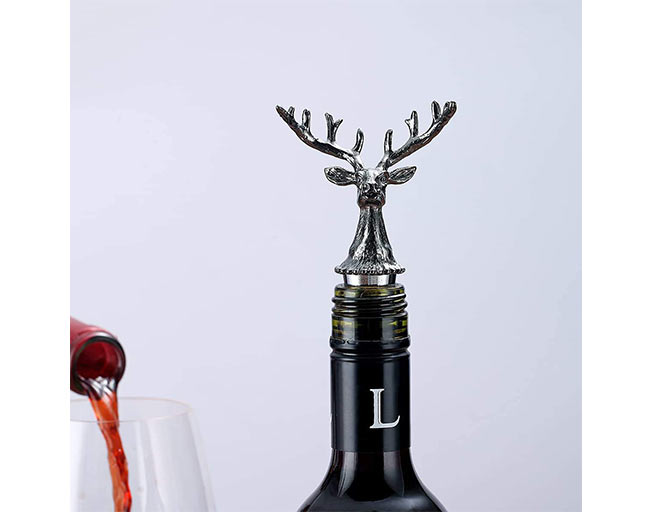
A metal stopper can look premium but disappoint when its sealing ring slips, twists, or loses contact with the bottle neck. For brands and distributors, it affects leakage and confidence. Understanding the ring comes before approving a decorative top.
Why the Ring Controls the Seal
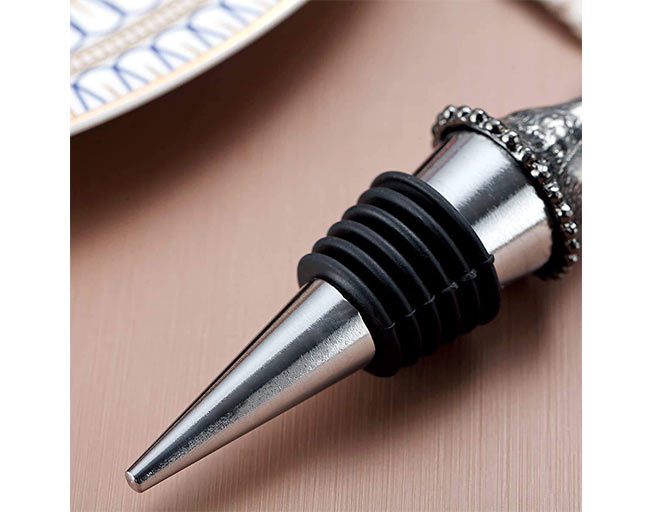
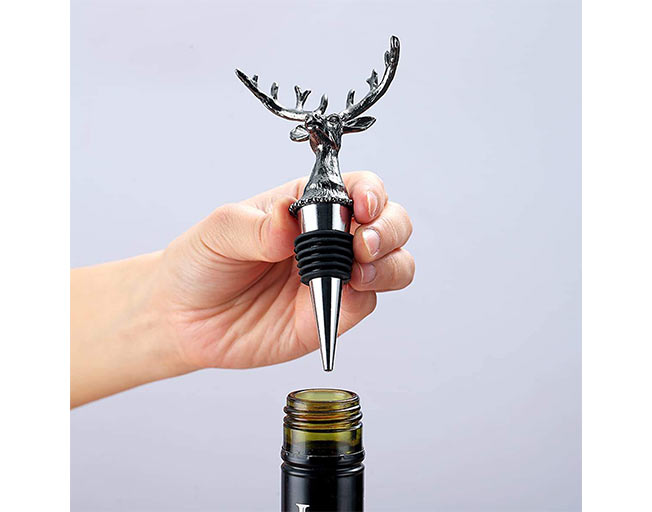
The silicone anti-slip ring is the working interface between a rigid stopper body and a glass bottle. Metal provides weight and a logo surface but cannot conform to every neck. A resilient ring creates friction and a continuous contact line. That is why a well-designed metal wine stopper feels secure while a poorly matched one can wobble despite a flawless finish.
Contact, Compression, and Recovery
A stable seal depends on contact, compression, and recovery rather than the metal body alone. For metal wine stoppers, silicone is a practical ring material because its elasticity supports repeated compression and recovery while providing a clean, reusable, and environmentally considerate sealing solution. Even compression compensates for small bottle-neck differences and lets the ring recover after removal. A loose ring can lift during handling; one that is too hard or oversized makes insertion awkward. The goal is a firm, controlled fit without excessive force.
The ring also carries the burden of repeat use. A reusable wine stopper may be inserted, removed, washed, and stored many times, so the material needs enough elasticity to recover instead of staying flattened. A ring that takes a permanent set may pass a quick visual check but lose grip after several cycles.
Three design decisions usually determine whether the seal feels dependable:
- Contact geometry: a continuous circular contact area is easier to control than isolated points or a ring that folds during insertion.
- Compression window: the ring should compress enough to grip, while leaving practical room for normal bottle variation.
- Recovery and surface feel: the material should return after removal and remain comfortable to handle without a sticky or brittle feel.
These decisions should be reviewed together on the actual bottle style. A narrow neck, short insertion depth, or top-heavy design can change the load on the ring. A sample that works on one bottle may not behave identically on another, so the review must check the accessory and the intended bottle family together.
A simple comparison helps teams discuss the trade-off clearly:
|
Check point |
What a good result looks like |
What to question |
|
Grip |
The stopper stays seated during gentle handling |
Does it rock or lift when the bottle is moved? |
|
Insertion |
The user feels firm resistance, not a struggle |
Is the ring too thick, hard, or poorly aligned? |
|
Recovery |
The ring returns after repeated removal |
Does it remain compressed after a short cycle test? |
|
Surface |
No visible split, tear, or sticky residue |
Could cleaning or storage damage the material? |
Fit Has to Follow the Bottle
For custom wine bottle stopper programs, the most useful sample conversation starts with the operating situation. A winery may need a premium feel and a reliable seal after opening a bottle at a tasting. A hotel group may need quick service and consistent insertion. A gift shop may need a distinctive top that customers can use without explanation. The ring specification should follow that use case.
Decorative Weight Changes the Feel
Brand decoration should support the fit. The decorative top can also be developed in a wide range of unique shapes, logos, relief patterns, themes, and branded designs according to customer requirements. A heavy zinc-alloy emblem, deep relief, or unusual silhouette can shift the center of gravity and make a loose ring feel less secure. During review, ask whether the decorative part changes insertion depth, force, or the space for the ring. This keeps a custom logo wine stoppers project focused on use, not just artwork.
Material checks should remain practical. The metal body, silicone sealing ring, and electroplated finish can be produced with environmentally compliant materials and processes and tested to applicable U.S. FDA and European LFGB food-contact requirements. For a custom wine bottle stopper program, Gold Valley combines mold development, metal processing, finishing, and inspection to help teams align visible metal work with functional ring fit. Its system covers incoming materials, in-process checks, and finished-product inspection, with traceability for reported issues across repeat programs.
The right approval sample is therefore more than a beauty sample. It should answer the user-facing questions that a photograph cannot settle:
- Does the ring stay seated after several insert-and-remove cycles?
- Does the stopper remain stable when the bottle is picked up by the neck or moved on a tray?
- Does cleaning leave the ring flexible, intact, and free of odor or residue?
- Does the decorative metal remain aligned with the bottle axis when the ring is fully inserted?
A Sample Should Test Real Use
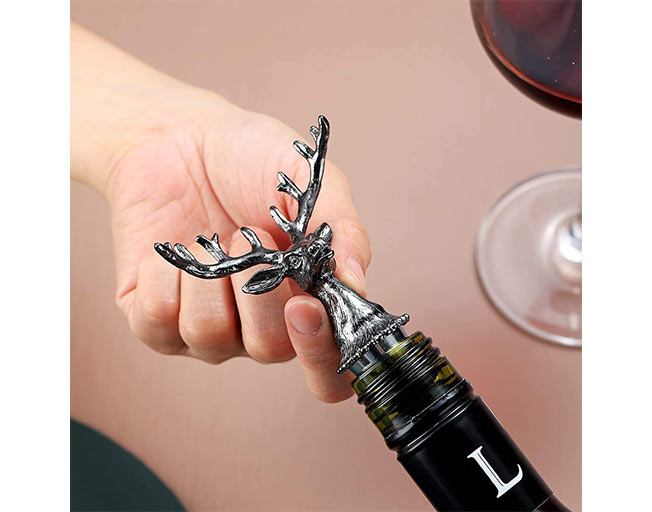
A short, repeatable check is more valuable than an elaborate test nobody repeats. Define the bottle type, insertion depth, cycle count, cleaning condition, and visible acceptance points before approval. Record changes to the ring compound, dimensions, or fit during production. This creates a usable benchmark for future batches without pretending that one measurement suits every bottle.
The same logic applies to a metal bottle stopper sold as a gift. Recipients may use it weeks after purchase and try it on a different bottle shape. A ring that grips smoothly, releases without a jerk, and looks clean after use makes the accessory feel considered. That perception is part of the value a distributor puts on the shelf, including for personalized wine stoppers.
A compliance-minded production partner can reduce avoidable surprises for international programs. For wine stopper projects, environmentally compliant material and electroplating options can also be selected and tested to applicable U.S. FDA and European LFGB food-contact requirements. Gold Valley holds ISO 9001:2015 and ISO 14001:2015 certifications, has passed a Sedex SMETA 6.1 ethical trade audit, and maintains Disney FAMA and NBCUniversal production approval. These are facility and management qualifications, not product certificates for every ring. They support documented quality, environmental, and traceability practices across the order.
A Dependable Ring is Part of the Product
Treat the silicone anti-slip ring as a functional part of the stopper, not an afterthought beneath decorative metal. When ring geometry, material recovery, bottle fit, and cycle checks are agreed at sample stage, a custom program is easier to repeat and explain. Define the bottle family and real handling conditions before locking the ring and top design.
For teams developing a branded accessory, Gold Valley can connect the metal design, mold development, finishing, inspection, packaging, and logistics into one customized workflow. Share the bottle type, intended use, and visual direction so the sample can be judged for both appearance and grip.
FAQ
What does the anti-slip ring actually do?
The silicone anti-slip ring creates friction and a continuous contact line between the rigid stopper body and the glass neck. Its compression and recovery help the stopper stay seated while still allowing practical removal.
How should a reusable wine stopper be checked?
Use several insert-and-remove cycles, then inspect grip, recovery, cracks, tears, residue, and any change in insertion force. Repeat the check under the cleaning and storage conditions expected in use.
Does a heavier decorative top improve sealing?
Not by itself. Added weight or an unusual shape can change the load on the ring. Sealing still depends on the ring geometry, compression, alignment, and the bottle neck.