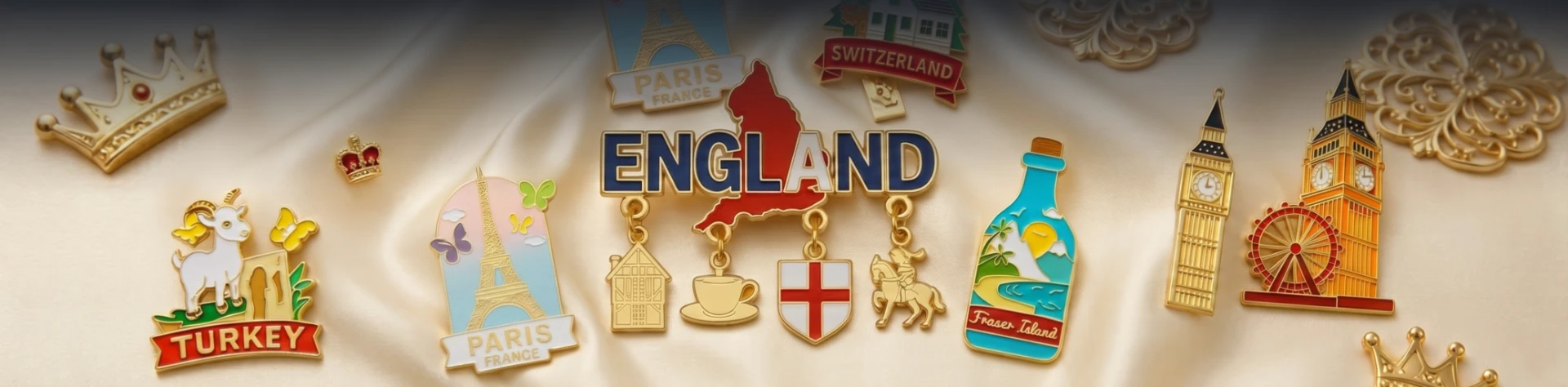
What Zinc Alloy Adds to a Recognition Medal
Time : Nov 05, 2026 View : 22
A recognition medal integrates a dedicated symbolic emblem, embossed typography, and a defined outer profile on a compact metallic substrate. Zinc alloy enables reproduction of intricate geometric features through high-pressure die casting. First, 3D sculpting and CNC mold engraving convert 2D artwork into production-ready tooling. The casting step forms the primary metallic substrate. Subsequent polishing, electroplating, and precision color filling deliver calibrated optical contrast across the finished piece.
This process uses high-flow, high-purity Zamak 3 zinc alloy as raw material. Hot-chamber high-pressure die-casting equipment forms the alloy, with metallic melt temperature strictly controlled within the 410°C–430°C operating window. Superior fluidity of molten alloy permits complete cavity filling for embossed contours and typographic features. Regulated injection and cooling cycles yield dense, dimensionally stable cast blanks, establishing a homogeneous substrate for subsequent polishing and electroplating operations. Precision surface finishing eliminates burrs and surface irregularities prior to application of decorative surface coatings.
Relief geometry begins in the mold
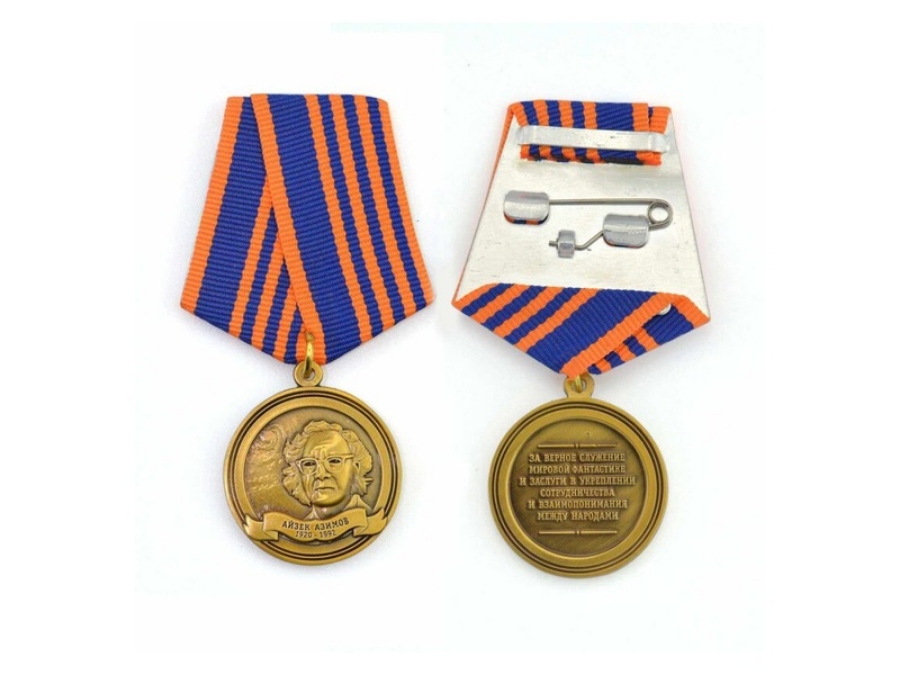
The obverse face of a medal typically incorporates a portrait or heraldic insignia, commemorative date markings, embossed lettering, and an ornate heraldic perimeter. Gold Valley uses 3D micro-relief sculpting and CNC mold engraving to reproduce fine details in the tooling. Mold development defines parting lines, relief transitions, planar background fields, and micro-recessed cavities before tooling approval and casting.
The tooling translates the approved design into a metal mold for high-volume replication. The perimeter defines the outer profile. Stratified relief elevations separate the primary emblem from the lettering and background texture. Evaluation at the actual medal size confirms the spatial relationship between these features before polishing and electroplating alter the surface.
Quantified relief and lettering parameters
For this type of portrait work, the 3D relief height differential ranges from 0.8–1.8 mm. Positive tooling ridges and typographic strokes maintain a minimum width of 0.25 mm (0.010″), with typographic character size no less than 5 pt. This minimum stroke-width constraint overrides nominal font-size specifications, as stroke thickness and glyph morphology directly govern material fill performance.
On custom award medals, these dimensional clearances preserve facial anatomical features, beard texture, and internal counter-forms of characters during aggressive buffing-wheel polishing and electroplating. Controlled polishing prevents over-rounding of embossed feature apexes. Plated prototype inspection identifies softened feature edges, stroke bridging, and cavity occlusion. The relief range and dimensional limits define the design baseline; the finished prototype verifies detail retention through the manufacturing sequence.
Surface finishing preserves the formed detail
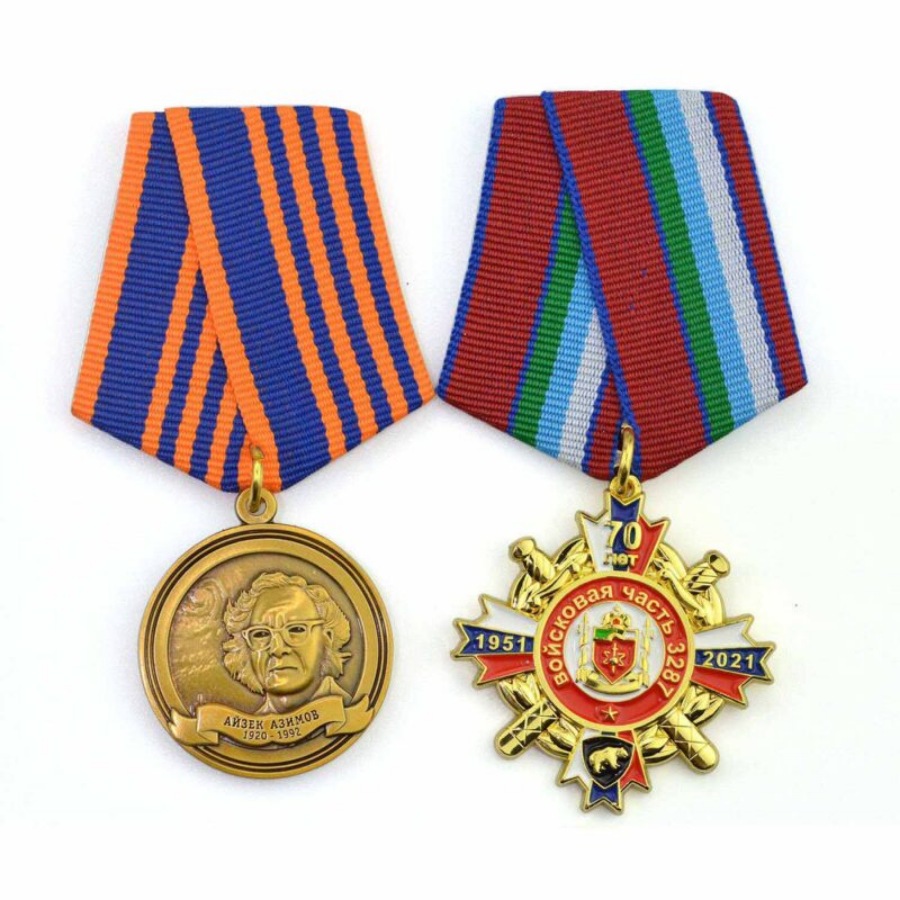
Electroplating changes the color and reflectance of the cast metal. Bright nickel plating produces a high-gloss mirror-grade surface finish. Antiqued decorative finishes create a differential light-dark tonal response to accentuate recessed geometric features. For custom engraved medals, a planar lettering field separates the typography from the 3D portrait or emblem. Reflective relief peaks and darker recessed backgrounds establish the optical contrast balance across the obverse face.
Gold Valley’s finishing processes include hand-painted hard and soft enamel, electroplating, and buffing. Defined metal boundaries separate enamel-filled areas from embossed lettering and the central emblem. A transparent epoxy over-coat provides enhanced surface abrasion resistance when specified. The selected finish follows the approved geometry: enamel occupies recessed cavities, exposed metal defines the relief, and lettering retains clear contrast against the background.
|
Medal feature |
Engineering function |
|
Raised portrait or heraldic crest |
Establishes the primary elevation level and captures attention |
|
Recessed background field |
Separates textures, colored sections, and text zones |
|
Plated metal surface |
Controls luster and visual contrast across the material |
|
Integral eyelet and five-sided suspension mount |
Transfers the medal’s weight through the ring, backing plate, and rear safety-pin assembly |
From approved tooling to finished metal
The production sequence begins with design development, mold fabrication, and tooling inspection, followed by casting and metal finishing. Polishing and vibratory finishing equipment refine surfaces and edges for electroplating. Color filling or a transparent epoxy over-coat follows the specified finish. Quality inspection precedes spray coating, with a further inspection before packaging and shipment. This sequence links the as-cast geometry to the final surface finish.
Gold Valley enforces a standardized 3-stage QC protocol covering incoming raw-material inspection, in-process inspection, and finished-product inspection before shipment. Alloy composition testing establishes the material baseline for casting. In-process checks assess geometry and surface preparation. Final inspection compares the finished medal with the approved master sample, with attention to relief definition, lettering legibility, edge finish, and color consistency.
Detail retention after polishing and plating
The primary emblem occupies the highest relief level, while lettering and background textures occupy lower elevations. This stratified geometry separates adjacent features independently of applied color. Buffing-wheel contact concentrates on exposed relief peaks, making recessed portrait textures and fine typographic strokes specific inspection points during finished-prototype evaluation.
Design confirmation before production
Artwork dimensions establish the tooling geometry, including the 0.8–1.8 mm portrait relief differential, a minimum stroke width of 0.25 mm (0.010″), and typographic character size no less than 5 pt. Mold inspection verifies feature separation and suspension eyelet position before cast components enter surface finishing. Final approval includes evaluation of the plated prototype for lettering legibility and optical contrast.
Gold Valley’s custom metal medals with ribbons integrate the metallic obverse with a specified suspension assembly. The five-sided folded ribbon suspension mount incorporates a rear safety-pin assembly. Suspension geometry is developed alongside the medal perimeter and total mass.
- The primary logo serves as the central focal point.
- Stratified relief elevations, recessed textures, and reflective plating separate adjacent design features.
- Dimensional clearance around the lettering preserves character separation and legibility.
Five-sided ribbon suspension and safety-pin assembly
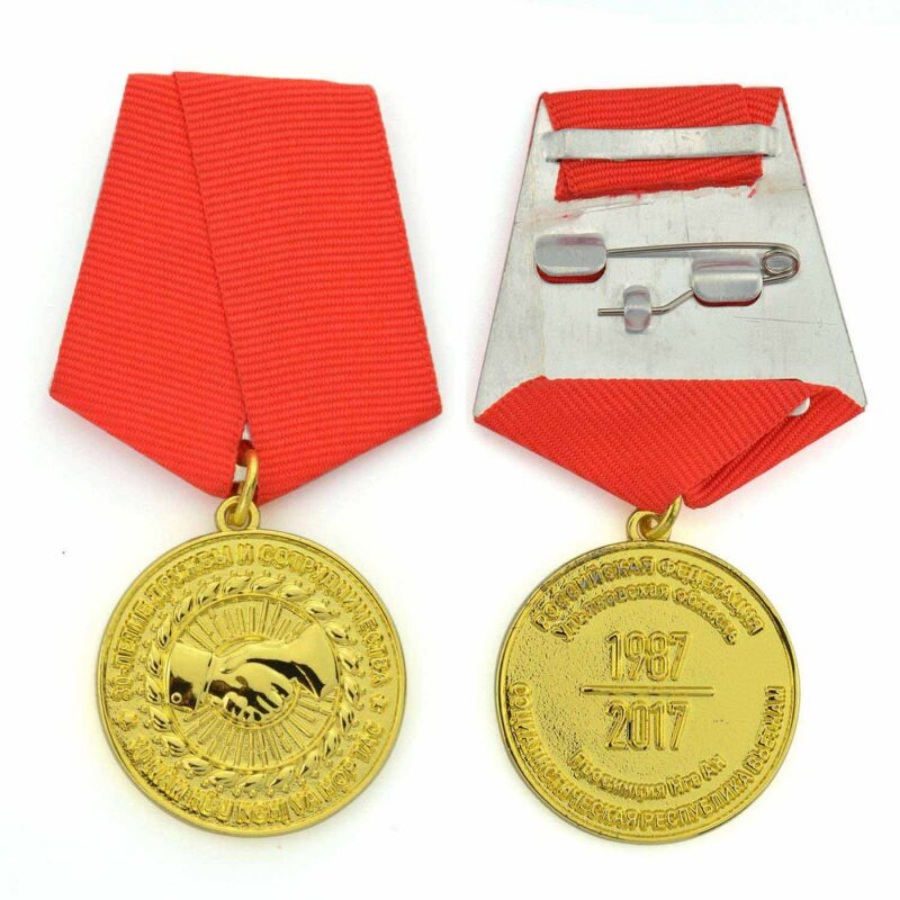
The five-sided folded ribbon suspension mount incorporates a rigid backing plate and a rear safety-pin assembly for attachment to clothing. Ribbon width, fold geometry, backing plate profile, and eyelet position determine alignment between the suspension mount and the medal body.
An integral monobloc zinc alloy cast eyelet engages a closed jump ring connected to the high strength folded ribbon backing plate, forming mechanical load bearing interlock with the rear safety pin assembly to meet long term field service load requirements. The rear safety-pin assembly transfers the load to the garment. Assembly acceptance criteria cover complete jump-ring closure, articulation clearance, and secure engagement of the safety-pin catch. Load verification assesses eyelet integrity, jump-ring closure, backing plate deformation, and safety-pin retention. These load-bearing joint interfaces constitute mandatory custom-build inspection items, rather than cosmetic accessories.
Material geometry and assembly as one system
Zamak 3 provides the metallic substrate for the medal profile, relief geometry, typography, and integral eyelet. Hot-chamber high-pressure die casting within the 410°C–430°C melt-temperature window forms the cast blank. Buffing, vibratory finishing, electroplating, and color filling establish the final surface condition. Incoming, in-process, and final inspections connect material consistency with detail retention and assembly integrity.
The finished medal combines controlled relief elevations, distinct typography, calibrated optical contrast, and a secure ribbon suspension assembly. These engineered design inputs deliver both sharp visual definition and durable service performance for this prestigious commemorative emblem.
For information on relief geometry, surface finishes, or custom suspension assemblies, contact Gold Valley.
FAQ
Why is Zamak 3 used for detailed recognition medals
Zamak 3 provides high fluidity for reproducing fine relief features and intricate profiles during hot-chamber high-pressure die casting. In this process, equipment controls the metallic melt temperature within 410°C–430°C. Subsequent surface preparation establishes the substrate for electroplating.
Which dimensions govern portrait and lettering detail
The portrait relief height differential ranges from 0.8–1.8 mm. Positive tooling ridges and typographic strokes maintain a minimum width of 0.25 mm (0.010″), with typographic character size no less than 5 pt. Inspection of the plated prototype verifies portrait detail retention and character separation.
How does plating affect relief readability
Electroplating changes surface reflectance and tonal response. Reflective relief peaks and darker recessed fields establish optical contrast, while controlled surface preparation preserves defined boundaries between lettering, portrait features, and enamel-filled areas.