How Custom Challenge Coins Are Made
Time : Oct 01, 2026 View : 47
A sharp logo on a screen can lose its character on a finished coin: lettering crowds the rim or a portrait looks flat. For distributors developing commemorative programs, understanding how custom challenge coins are made helps explain those differences. Each production stage must carry the intended detail into the next.
Artwork becomes a map of the coin surface
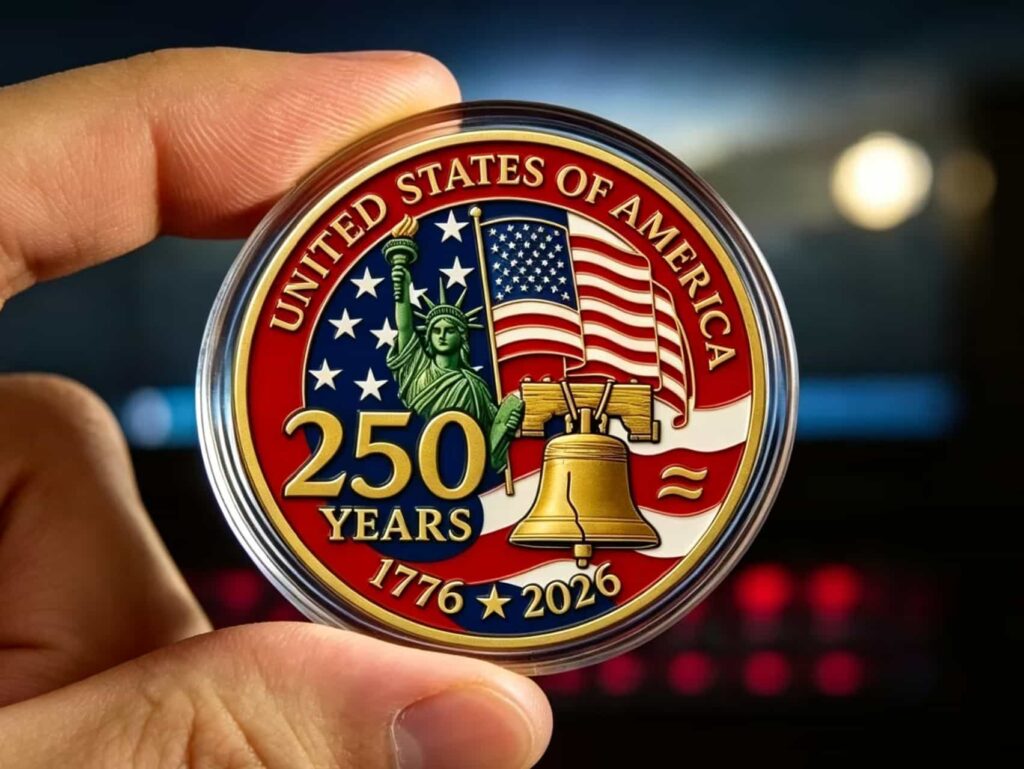
The artwork must explain what rises above the surface and what sits below it. A printed logo communicates color, but a metal coin also needs boundaries, depth and an edge. Effective custom coin design separates lettering, emblems and backgrounds so each element has a clear physical role.
Actual-size review makes that translation easier to judge. For an anniversary coin, give the organization name and date enough space before filling the remaining area with decorative detail. Examine both faces and their orientation together. Enlarging a digital proof can make tiny lettering seem much more readable than it will be in hand.
Tooling turns the approved drawing into relief
The production tool carries the geometry that will repeat across the batch. In a die-struck route, a steel die contains a recessed version of the intended raised design. Pressing that tool against metal transfers the design to the coin. A detailed tool therefore matters before any decorative finish is applied.
Relief needs particular attention when a flat emblem becomes a sculpted subject. A building may need distinct rooflines and windows; a portrait needs deliberate changes in height. Treat a shaded digital rendering as a proposal for those levels. Check whether the intended contours remain recognizable when translated into metal.
Striking and casting form the metal differently
Die striking starts with a solid metal blank, commonly copper or iron, placed between a matched pair of dies. Under high pressure, the blank is compressed so the die transfers the artwork into raised and recessed relief. The result is a defined, coin-like profile in the metal itself; the relief comes from the die pressing the blank, not from adding a separate sculpted layer.
Die casting follows a different route: molten zinc alloy is injected into a steel mold and solidifies in its cavity. Because the alloy fills a shaped cavity, the mold can form more sculptural contours and pronounced three-dimensional features, such as rounded figures or uneven surface levels. Those deeper forms still depend on mold design and the shape’s ability to fill and release cleanly.
For a custom challenge coin, the choice is therefore tied to both the base material and the intended relief. Copper or iron blanks suit a struck design whose detail is pressed into solid metal, while zinc alloy is commonly selected for cast designs that call for more pronounced 3D shaping.
Edge finishing prepares the coin for decoration
Forming leaves a metal piece that still needs finishing. Trimming removes unwanted material, while deburring addresses sharp edges and polishing refines the surface. These operations make the coin more comfortable to handle and prepare it for the decorative stages that follow.
The rim deserves the same attention as the two faces. A patterned edge is an intentional design feature; an irregular projection is a finishing issue. Inspect where the edge joins the face, particularly around unusual outlines. A decorative border should frame the artwork without drawing attention to rough handling surfaces.
Plating and enamel establish contrast and texture
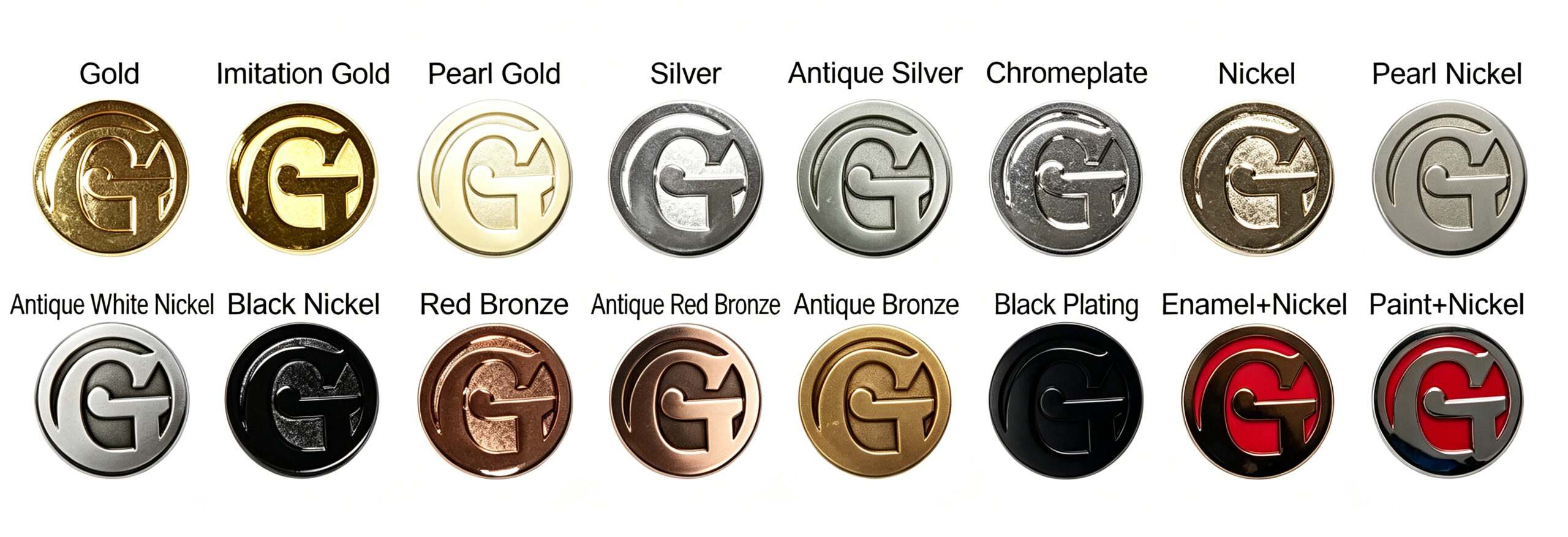
Plating changes the exposed metal surface, while enamel adds color to selected areas. Their visual jobs are different. On a commemorative emblem, the metal outlines define the shapes and the color helps distinguish them. A finish should support the lettering and relief rather than compete with them.
Soft enamel leaves the color below the raised metal boundaries, creating a textured surface. Hard enamel is polished level with those boundaries for a smoother face. That physical distinction is more useful than assuming either name automatically means a better coin. The appropriate choice depends on the intended appearance.
The finishing order changes with the enamel route. Soft enamel commonly follows plating, while hard enamel is filled, cured and polished before plating. A single production diagram cannot represent every finish combination. For an unfamiliar treatment, compare a physical finish sample with the desired surface effect before approving the decorated coin.
A finished sample connects the process to batch quality
A physical sample brings the earlier decisions together. Inspect the name and date at normal viewing distance, tilt the coin to judge relief, and check the rim by touch. Compare color boundaries and exposed metal areas with the approved design. These observations connect a visible defect to the stage that needs attention.
Repeating an approved appearance across custom made challenge coins requires checks during production as well as before shipment. Gold Valley supports this work through dedicated mold development, sample review and modification, plus incoming, in-process and finished-product inspection. These capabilities connect design approval with production control for commemorative programs.
Packaging is the last part of preserving the finished result. Gold Valley offers customized individual printed boxes, cardstock packaging and gift boxes. Match the chosen presentation to the coin, and check that the packed piece stays supported during handling. Review the package with the finished sample, rather than treating it as a separate visual exercise.
The finished detail reflects the whole process
A successful coin carries its original message through every operation. Artwork defines the relief, tooling and forming reproduce it, and finishing makes it readable and comfortable to handle. For a bulk commemorative program, the practical next step is to judge an approved physical sample against that sequence before repeating the design across the order.
FAQ
Are all challenge coins die struck?
No. Die striking uses a solid blank, while die casting uses molten metal and a reusable mold. The suitable route depends on the design and material.
What makes a challenge coin three-dimensional?
Sculpted changes in surface height create the dimensional effect. A shaded drawing alone does not establish the finished relief; the tooling and formed sample must reproduce those contours.
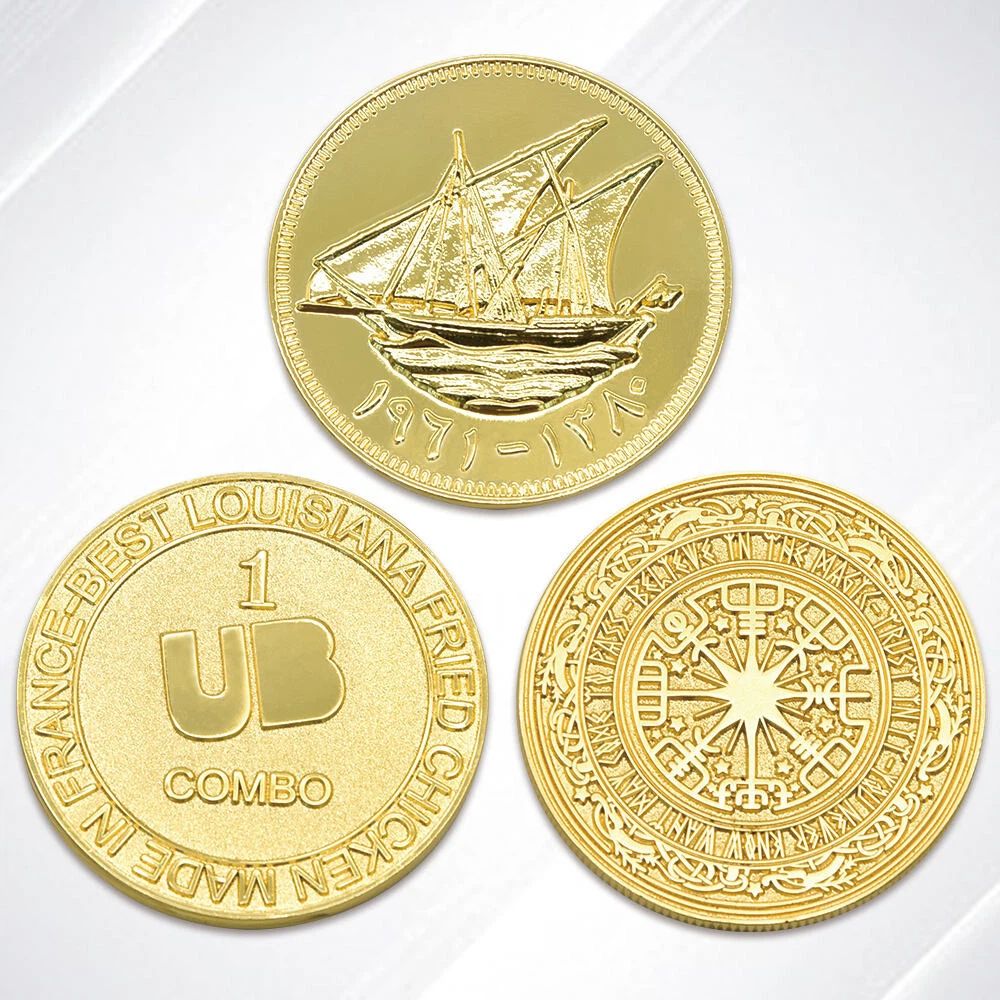
Is the gold-colored finish the base metal?
A gold-colored appearance can be a surface finish over a different base metal. Confirm the specified material and finish separately when evaluating the finished coin.
How do hard and soft enamel coins feel different?
Soft enamel has recessed color areas below raised metal lines. Hard enamel is polished flush, producing a smoother face. Judge the physical finish when texture matters.
Why is a sample useful after artwork approval?
A sample lets the team assess actual-size lettering, relief, surface texture and packaging together. It turns the approved drawing into a physical reference for the production run.